Dive Industry Sales Agents

DIVE LOCAL
Dive Industry Sales Agents
 by Gene Muchanski, Editor
The Dive Industry Professional

Sales Agents in the diving industry are an indispensable component of the global diving business network.  From a trade level perspective, they are the links between the buyers and sellers of wholesale programs, products, and services, in our industry.  It’s from this general description that we will define what Sales Agents in our industry currently do and what type of companies they work for.

Although Sales Agents have been a critical part of our industry from the very beginning, their job description, function, and areas of responsibility have evolved, expanded, and changed over time.  There has never been a standard definition or job description for Dive Industry Professionals who perform the duties of Sales Agents.  Hopefully we can clarify some of the misconceptions about sales agents and their duties and responsibilities.

In the Global Diving Community, we have businesses that produce, distribute, sell, and service diving and diving related programs, products, and services.  These businesses make up the Global Diving Business Network.  They are part of the Supply Chain, which means they supply the diving community with the diving and diving related products we need to dive.  The major categories of goods that are produced for divers are diving equipment, dive training, dive travel, and lifestyle products. The are a number of industries in each category that produce these products and services.  The best way to understand the duties and responsibilities of Sales Agents in our industry is to look at each category and explain their unique channel of distribution and how Sales Agents fit in.

Diving Equipment Sales Agents: Diving equipment sales on a wholesale level are conducted by employees, contract salespeople, and sales companies.  In the case of original equipment manufacturers or specialty manufacturers, conducting wholesale trade with a Merchant Wholesaler, sales are usually handled by in-house employees.  In the diving industry, it has been the custom to include manufacturers and the wholesale trade as members of one stakeholder group that we refer to as Manufacturers-Distributors.  It makes more sense for me to refer to them as equipment vendors, or suppliers to simply matters.

If an equipment vendor is small or has a limited number of accounts, wholesale transactions are usually conducted by the owners themselves or a small sales department.  Their sales department might consist of an inside-sales person, outside sales agents, or a combination of the two. Rarely does a small equipment vendor go through the expense of hiring and managing a sales team of their own.  While these small vendors may have a few employees that conduct sales for them, we don’t classify them as Sales Representatives, Sales Agents, or even Sales Advisors.  We refer to these Dive Industry Professionals as employees of the manufacturer-distributor.

The larger equipment vendors are more likely to have a complete sales team, headed by a Sales Manager, and supervised by a Sales Director or a Vice President of Sales.  Equipment vendors in the past have used a combination of employee salespeople and private contractors for their sales team.  Companies that use private contractors usually employ a Sales Manager or Sales Director to manage their sales department.  Private contractors are classified as Wholesale Trade Agents and Brokers, according to NAICS Code Sector 42, Subsector 425. That means that Sales Agents are members of their own stakeholder group, and the diving industry should treat them as such.  The Dive Industry Association recognizes Sales Representatives, also called Sales Agents or Sales Advisors, as members of their own Industry Stakeholder Group.  The full NAICS Code for Wholesale Trade Agents and Brokers is 425120.

Repping Companies: An alternative to building your own sales department using hired sales managers and independent contractor sales agents is to hire a Sales Rep Company.  Sales Rep companies have been in the industry for many years but recently have grown in number and sophistication.  Companies like Riptide Sales Group typically represent multiple diving and diving related suppliers and manage their own sales team.  Independent Sales Rep Companies provide in-house sales and service, territory sales management, trade and consumer show exhibiting, and order writing during dive store visits, at consumer dive shows, and watersports trade shows.

Successful Sales Repping Companies have the potential to grow into full-service sales and marketing management firms by adding a number of marketing services that include press releases, marketing & advertising campaigns, as well as catalog, dealer price list, and website production.  Full-service Sales & Marketing Firms can become the predominant link between suppliers and wholesale buyers in the future global diving industry.

Different Titles for Sales Reps: In the diving industry, diving equipment salespeople are referred to as Sales Representatives, Sales Reps, Sales Managers, Sales Agents, and Sales Advisors.   Some companies refer to them as District Managers or Territory Managers to show they manage a given territory in addition to conducting sales.  Sometimes their title and responsibilities are defined by the territory they represent, like Northeast (NE), Southwest (SW), etc.  It all depends upon the company.  It is advisable to consult with your company Legal Advisor when dealing with titles and job descriptions for your employees and private contractors.

Duties and Responsibilities: Sales Reps are responsible for opening up new accounts.  One of their goals should be to increase market penetration.  Sales Reps are responsible for maintaining their dealer base by periodically visiting their dealers, giving sales presentations, writing orders, and following up on their orders.  Their goal should be to increase market share for their company.   Sales Reps are responsible for training their dealer base pertaining to equipment function, equipment features & benefits, and equipment maintenance.  Sales Reps are the direct link between the manufacturer and the dealer. It is their job to maintain a strong business relationship with their Dealers and be their go-to person for all aspects of vendor-dealer relations.

Sales Representatives are usually called upon to exhibit at consumer dive shows to interact with their dealer base and many times to represent the company they work for.  Personally, I would prefer that company employees be hired to represent the company to the buying public at consumer dive shows while the Sales Representatives make it their priority to meet and interact with current dealers and any prospective dealers interested in carrying their line.  I honestly believe there should be a trade component at every consumer dive show, and I’ve shared that opinion with many shows & events producers.

Industry-Wide Sales Rep Survey: Dive Industry Association conducted an industry-wide survey for Sales Reps back in 2002.  Our research findings were used for many years to recommend policy and standard operating procedures for Reps and their companies.  We learned some very interesting things about this stakeholder group.  The average Sales Rep at that time, worked for 5 companies, managed 163 accounts, in a 7-state territory, and spent 183 days away from home calling on accounts.  Because of their company and product knowledge and their excellent dealer relationships, Sales Reps wrote over 1.2 million dollars in sales and enjoyed an average gross income that rivaled the salary of senior executive managers.  The downside was that they spent, on average, over $33,000 a year on business travel.

Sales Repping Has Changed: An interesting fact is that Sales Reps back in 2002 ranged in age from 41-60 years old with the average age being 52.  So, we knew 23 years ago that the average Sales Rep would be at retirement age today, which has actually happened to some degree.  Without a doubt, repping in the diving industry has changed in the last 23 years, especially since the covid pandemic.  There have been vast changes in diving equipment manufacturing and how they interact with their dealer base.  Sales and marketing campaigns have changed completely, and shows & events are no longer the leading venues for order writing.  Digital marketing has made extravagant changes to the way we promote and distribute our products, and face to face marketing has evolved into a hybrid form of, but still dominant, communicative sales tool.

Paradigm Shifts for Diving Industry Sales Agents:  In the past ten years or so, many of the industry’s senior Sales Reps have retired or sought employment in other industries and are no longer working in the industry.  There have been considerable mergers and acquisitions in the manufacturing sectors, which understandably has caused a significant realignment of the Sales Rep workforce.  A number of training agencies have allowed their Training Representatives to also work for diving equipment companies, as Sales Representatives. Some companies are using hybrid forms of sales and marketing concepts such as opinion leaders, brand ambassadors, social media influencers, and affiliate partners.  Considering the fact that the market for diving and diving related products has changed drastically, it is time to reestablish our channels of distribution for the programs, products, and services that flow from producers to consumers.  We need to reevaluate our producers, distributors, and consumers in the global diving community.

The 2026 Industry-Wide Sales Rep Survey: It is time to conduct the Sales Rep survey again.  We are asking all current Sales Reps to complete the survey.  We will start by defining how the industry moves products from sellers to buyers.  Are we still using Sales Reps?  Are they employees of the suppliers or private contractors?  Are suppliers contracting with Sales Rep Companies that provide marketing and sales services?  Is being an Independent Sales Agent the preferred sales career option in the 21st Century?  Let’s conduct the research and analyze the data.  Then we (the industry) will be able to see how much momentum we have either gained or lost since the pandemic and with the development of the new market for diving and diving related products.

We have designed our survey in three parts.  Part one is linked here.  2026 SURVEY.  The survey is the same as in 2002.  The objective is to first define and analyze our current industry sales force.

Follow-up survey #2 will focus on the current tools and technologies that the industry sales force is using to bring suppliers and wholesale dealers together.  Follow-up survey #3 will be to look at the marketing tools and technologies that the industry uses to communicate sales messages to the final consumer.  We are counting on the Manufacturing-Distributor Stakeholder group to support this survey, and we are asking the Sales Agent Stakeholder Group to get behind our survey efforts 100%.  Thank you for helping to Build a Better Industry.

For more information about the Global Diving Business Network, contact Gene Muchanski, Executive Director of the Dive Industry Association, 2294 Botanica Circle, West Melbourne, FL 32904.  Phone: 321-914-3778.  Email: gene@diveindustry.net  Web: www.diveindustry.net

# # #

Posted in Uncategorized | Tagged , , , , , , | Leave a comment

Dive Instructors – U.S.

DIVE LOCAL
U.S. Dive Instructors
 by Gene Muchanski, Editor
The Dive Industry Professional

Diving Instructors play a vital role in the development of the global diving community.  As qualified scuba diving instructors, they have introduced millions of people to the joys of underwater activities.  The necessity for safe scuba diving training is written into our industry’s DNA.   Without diving instructors, there would not be a diving industry.

Diving Instructors are one of the four pillars of their local diving communities.  The four pillars being dive stores, dive boats, dive clubs, and dive instructors.  These industry stakeholder groups are the ones responsible for building, growing, and maintaining not only their local diving community, but the global diving community itself.  These full-time, part-time, and volunteer Dive Industry Professionals teach people how to dive, sell and service diving equipment, take people diving, and keep them active in our recreation.  Dive Instructors are the rainmakers of our industry.  They create the market for the programs, products, and services that are created, distributed, sold, and serviced in the diving industry.

Definition of a Diving Instructor: Before we start our global search for instructors who are actively teaching diving, let’s first define the parameters. A Diving Instructor is a person who has been certified or licensed to teach people how to dive.  When the diving industry first began, people who had diving experience started to teach their friends and family how to dive.  These people were for the most part, former Navy Divers, Lifeguards, Spearfishermen, and Free Divers.  They were self-appointed skin-diving instructors, and they wanted to share their activity with others.  Thankfully, early in our industry’s history, these skin-diving enthusiasts realized the need to develop an educational curriculum for teaching and certifying people how to scuba dive safely.  Of course, to do that, they had to develop a curriculum to teach divers how to become scuba diving instructors.

Over the years, a number of Training Agencies were formed to teach and license scuba diving instructors.  I believe we called them Certification Agencies back then.  At last count, there are over 40 training agencies in the United States.  Their affiliated instructors teach and certify a plethora of scuba diving and diving related courses and the practice has become an industry standard.  This industry stakeholder group has grown its course offering from basic scuba diving to advanced scuba diving, specialty courses, technical diving, rebreather courses, rescue training, divemaster programs, instructor courses, and beyond.  They have even included courses in swimming, lifesavings, first aid, water safety programs, free diving, and mermaiding.

Diving Instructors Are Important: For safety purposes sake, becoming a certified diving instructor has become a prerequisite for being able to teach diving programs.  It is considered an industry standard practice, and that’s a good thing.  For the over six million certified scuba divers in the world, obtaining a diving certification from a certified, licensed diving instructor has been their door opener to our industry.  And it is all because of the Diving Instructors.

Types of Diving Instructors: I have held a diving instructor certification for over 52 years.  In that time, I have taught many types of diving programs, in different types of training facilities, environments, and situations, and have certified my students through different training agencies.  I realize and appreciate the diversity in the kinds of dive training a person can receive, and the differences in the agendas that various training centers and facilities have.  To many in our industry, these differences have created an enormous amount of channel friction and a contentious source of debate and disagreement.  That is certainly a true statement, and I have to say that this type of behavior does not reflect well on our fellow dive industry professionals or their affiliate vendors.  On the other hand, I see this as an opportunity to appreciate the diversity and the differences in dive training focus and the industry’s need to integrate them under a much larger industry umbrella.

Dive Instructors & Stakeholder Groups: Dive Instructors need to have their own stakeholder group to understand their role in the diving industry and advance in their profession.  I am not suggesting that dive instructors band together and start another certification agency.  Far from that.  Training Agencies fall under their own stakeholder group and the purpose for which they were formed is critical to the function and stability of the global diving industry.  Training Agencies develop Dive Training Professionals.  They develop the course content that is used to teach and certify instructor candidates enrolled in their instructor training programs.  Training Agencies develop the curriculum, standards, and procedures their instructors use to teach safe diving courses.  They govern their own associations and maintain their own corporate cultures by conducting periodic professional development programs in dive education and training.

Dive Instructors need to participate in professional development training that focuses on the business of diving issues.  Managing a career as a Dive Industry Business Professional is the other half of being a Dive Industry Training Professional.   Business training and the Business of Diving issues are different for the different categories of job descriptions that diving instructors work under.  Within the Dive Instructor sector of the ding industry, we have instructors who teach at a dive store.  Others teach in an academic setting like a high school, college or university.  Many instructors teach independently, while others are paid employees of a dive business that hires Instructors and Divemasters.  Teaching diving at a dive resort or on a liveaboard is different than working for a contracted Diving Operator who has multiple clients from several hotels and resorts.

As mentioned before, professional business development programs would not be the same for an instructor working in a dive store as for an instructor teaching diving at a college or university.  Sure, they may have many business training needs in common, but a good professional development program should have tailor-made content for the specific audience.

Building a Global Diving Community: Teaching entry level scuba diving programs and certifying them as scuba divers does not guarantee that the Global Diving Community will grow or even continue.  There are four things that need to happen to ensure the creation, growth, and sustainability of our industry.  Dive Industry Professionals employed in the Global Diving Business Network must unanimously make this our industry message to the general public:

  1. Learn to Dive
  2. Buy Your Gear
  3. Go Diving
  4. Stay Active

As we mentioned before, not all Diving Instructors have the same goals and objectives for teaching diving.  That is a topic for future discussion. Our purpose for bringing it to your attention here is that we feel the industry needs to bring awareness to the topic, discuss its pros and cons, think about possible and probable solutions to the problems, choose actionable items that will address this conundrum, implement an action plan, measure the key results, and evaluate our progress.

Creating Active Divers: While teaching diving may be the goal and ultimate objective for some diving instructors, our goal as Dive Industry Professionals should be to create active divers.  Active divers give sustainability to the Global Diving Industry. I believe this is a much higher goal than just trying to create more divers or more business.  Our purpose as recreational professionals should be to create a recreational activity that people could enjoy for a lifetime.  Scuba Diving is an enjoyable activity that can be socially shared with friends and family, and it often leads to new activities and adventures.  As Dive Industry Professionals we can teach people how to dive so they have a good experience and want to continue doing it.  As Diving Equipment Advisors we should continually educate and update ourselves on the proper use and purchase of diving equipment and accessories.  New divers look to us for advice on the purchase or rental options that are available to certified divers.  We know from experience that certified divers who purchase their own equipment will use it more often.  As Dive Travel Specialists we are in a position to share our dive and adventure travel experience with new divers.  We can make recommendations to visit dive resorts and liveaboards we have experience with.  We can also put together a group of divers and escort them to our favorite dive destinations.  To keep divers active in the Global Diving Community, we can recommend membership in our local dive club or put together a social event at the Regional Dive Show in our Local Diving Community.  There are so many things we can do after teaching someone to dive.  It all starts with taking our dive instructing passion to the next level.

Dive Instructor Listing: Based on the successes we have had with our directory listings for dive stores, dive boats, and dive clubs, we are building a directory listing for dive instructors on our DIVE LOCAL website.  Check out Dive Instructors – U.S. on our DIVE LOCAL website.  Of course, this is going to be one of the most difficult directories in our industry to create and maintain but we are willing to start the process.

For more information about the Global Diving Business Network, contact Gene Muchanski, Executive Director of the Dive Industry Association, 2294 Botanica Circle, West Melbourne, FL 32904.  Phone: 321-914-3778.  Email: gene@diveindustry.net  Web: www.diveindustry.net

# # #

Posted in Uncategorized | Tagged , , , , , , , , | Leave a comment

Patricia Ramirez Honored

Belize Tourism Industry Association has honored Patricia Ramirez, Splash Dive Center Ltd, “In recognition of your diligent sacrifice and invaluable contributions to the BTIA”  26th September 2025.

Presented at BITA’s 40th Anniversary for outstanding contributions to Belize’s Tourism Industry.  This recognition is a reflection of years of passion, dedication, and commitment to excellence.

Posted in Uncategorized | Leave a comment

DIVE LOCAL – U.S. DIVE CLUBS

DIVE LOCAL
U.S. Dive Clubs
 by Gene Muchanski, Editor
The Dive Industry Professional

Dive Clubs are one of the four pillars of local diving communities.  The four pillars of every local diving community are the dive stores, dive boats, dive clubs, and dive instructors.  These four industry stakeholder groups are the ones responsible for building a local diving community, growing it, and maintaining it.  These full-time, part-time, and volunteer Dive Industry Professionals teach people how to dive, sell and service diving equipment, take people diving, and keep them active in our recreation.  Dive Clubs keep divers active in the recreational diving community.  Their purpose should be to make a one-time experience into a lifelong passion for every person that becomes a certified diver.

Dive clubs have been around since the early 1950’s and in my opinion, are the foundation of what eventually became the global diving community.  This article is not about the history of dive clubs.  Our purpose is to bring the current awareness of the purpose and importance that dive clubs have to the global diving industry.  We want to show how important dive clubs are to our industry’s future, and how we can research, analyze, manage, promote, and contribute to the growth and development of dive clubs on a worldwide basis.

Dive Club Specialties: Historically, dive clubs were started as a regional group of likeminded individuals to facilitate social interaction, based on a common interest.  If we were to construct a template for dive club start-ups, the first thing we would consider is the purpose of the club and what the future members’ common denominator would be.  Some clubs in the past have focused on certified divers.  Anyone who was a certified diver was welcome to join the club.  That’s a pretty wide range of diving interests.  Other clubs, and successful ones at that, have specialized in Spearfishing, Freediving, Wreck Diving, and Underwater Photography.  Dive clubs that have started in the past twenty years may have added common denominators such as tech diving, cave diving, dive travel, mermaiding, and environmental conservation.  It is up to the club founders to decide if they are going to specialize in one common denominator or offer membership to all certified divers and cater to several specialties within the club.

Side Hussle: In our research, we found a number of clubs that were borderline dive club / dive business.  Dive clubs are sometimes formed specifically to teach diving, sell more diving equipment, fill a local dive boat, or sell group dive travel.  When thinking about joining a local dive club, you may want to look at the club’s charter, the club’s Board of Directors, and the frequency of rotation of their directors, dive instructors, and dive travel specialists.

Need For Dive Club Research: We have access to historical data on dive clubs going back to the early 1950’s and continuing on until just a few years ago.  Understanding the past history of dive clubs gives industry planners a good perspective into this industry sector’s historical timeline, but before the diving industry can begin promoting Dive Clubs to the current roster of active scuba divers, we need to research the current data that is available on this important stakeholder group.  Current data will give us a better idea as to how dive clubs are positioned in the new millennium.   What is their organizational structure?  How are they run?  Where do they meet?  How often do they meet?  How many members do they have?  What do they offer their members?  What are the benefits of membership?

Dive Club Differentiation: Dive clubs can be started as a social activity or for an educational pursuit.  I’ve seen the formation of dive clubs at high schools, colleges & universities, military bases, and with professional trade groups like fire fighters and police officers.   So, when we think of dive clubs, we should not limit ourselves to just thinking about civilian clubs or clubs started by dive stores.  Clubs can be very effective in making people aware of scuba diving and getting them started on a lifelong adventurous journey as a certified diver.   This may be a good time to expand our concept of what a dive club is and could be if managed correctly.

Establishing Industry Norms: There are a few things we already know that make dive clubs successful.  First of all, they need to be organized as a separate entity, even if they are run by a dive store, dive boat, university, or independent scuba diving instructor. Incorporating a dive club is a good idea.  Making it a non-profit organization is even better.  Having a separate bank account and a physical location that does not change every time a new president of the club is elected gives the club a sense of stability.  A club should have its own website and social media accounts.  Local dive clubs should be active participants in their local diving community, and the local diving community should promote and support dive clubs active in their community.  Promotion and support is an integrated strategy of local diving communities.

Researching current dive clubs will shed more light into the preferred organizational structure of 21st century dive clubs.  We will be able to establish dive club norms and publish best practices.  With enough industry support from active dive club members, we can document the things that make modern-day dive clubs successful and identify some of the club challenges and roadblocks they face.  With defined problems we can collectively work to resolve industry conflicts and help create a roadmap for recovery and growth.  And the best thing about an organized community sector is that each dive club will be aware of each other and be in a position to discuss things that dive clubs have in common.

Establish Strategic Partners: Dive clubs can grow exponentially in numbers and influence by forming strategic partnerships with dive businesses and industry professionals in the Global Diving Business Network, especially the ones in their local dive community.  With proper mentoring and guidance, dive clubs can make people aware of scuba diving, assist in getting them certified, conduct local dives, and promote vacation dive trips.

Dive Club Listing: Based on the success we had with our U.S. Dive Store Directory on our DIVE LOCAL website, we started listing Florida Dive Clubs on its Florida page. The next step was to list all the Dive Clubs in the U.S., which has its own webpage.  Our long-range objective is to eventually list all dive clubs worldwide.

For more information about the Global Diving Business Network, contact Gene Muchanski, Executive Director of the Dive Industry Association, 2294 Botanica Circle, West Melbourne, FL 32904.  Phone: 321-914-3778.  Email: gene@diveindustry.net  Web: www.diveindustry.net

# # #

Posted in Uncategorized | Tagged , , , , | Leave a comment

DIVE LOCAL – U.S. Dive Boats

DIVE LOCAL
U.S. Dive Boats
 by Gene Muchanski, Editor
The Dive Industry Professional

Dive Boat Operators are one of the four pillars of local diving communities.  The four pillars of every local diving community are the dive stores, dive boats, dive clubs, and dive instructors.  These four industry stakeholder groups are the ones responsible for building a local diving community, growing it, and maintaining it.  These full-time and part-time Dive Industry Professionals teach people how to dive, sell and service diving equipment, take people diving, and keep them active in our recreation.  Dive boat operators keep divers active.

Although dive boats are an important segment of the recreational diving industry, we don’t feel that the industry has spent a sufficient amount of time or talent developing and managing this important and often ignored, stakeholder group.  The Dive Industry Association and the Dive Industry Foundation are committing our resources of time, money, and manpower to research, organize, and manage this important industry group.  We are not saying that the global diving industry has done nothing for dive boat operators during the past 60 years.   We are just saying that the industry has not done enough.  Especially in recent years.

Acknowledgement: The first thing we want to do is acknowledge the importance of boat diving and dive boat operators.  This sector of the recreational diving industry is an important industry segment and should be considered its own stakeholder group. While we are willing to provide industry research and our organizational talents and administrative expertise, the information collected, and the data that we analyze must come from active dive boat operators, who actively work in and operate dive boat operations.  The subjects that are important to this industry sector should be the focus of this stakeholder group.

Geographical Differences: Using the DIVE LOCAL concept that we created for organizing the Global Diving Business Network, we understand that boat diving operations vary tremendously, depending on their geographical location.  Hence, the necessity of segmenting the global territories into continents, countries, islands, territories, and states is absolutely necessary.

Boat Diving Categories: When we look at boat diving across the globe, we need to point out the specific categories we are focusing on.  We are looking into boat diving as a personal recreational activity and commercial diving operations that are set up as a business.  Another differentiation should be day boat operations versus multi-day trips.  The size of the dive boats is important to consider, as is the different licenses and training that are required, such as a 6-pack license versus a 100-ton Captain’s License.  With the help of a handful of advisors that make up our all-volunteer Board of Advisors, I am confident we can build a good foundation for this stakeholder group.

We also want to differentiate independent dive operators from resort owned dive operations.  We believe there is a significant operational difference between the two.  We want to put Liveaboard Dive Boats in a special category of its own so that we can research and manage the difference between a day boat operation with that of a muti-day charter.

Historical Dive Boat References: There are a number of dive media references we have available in our Diving Industry Business Reference Library that we use, to see what the global diving industry has done in the past for the dive operator’s stakeholder group.  One of the best media resources for dive boats and dive operators was Florida Scuba News.  In the 1990’s, the magazine listed their annual Florida Dive Operator Directory in every January issue.  According to our research, Florida Scuba News, and then Scuba News published 12 issues per year in 26 annual volumes from 1984 – 2009.  Our non-profit diving business research library has a total of 38 issues and is looking to complete its collection.

Eastern Dive Boat Association: The Eastern Dive Boat Association was founded in the Bronx, New York in 1975.  According to its association brochure, its mission statement is:  “The Eastern Dive Boat Association is an organization of dive boat owners, operators and members dedicated to providing cooperation among all dive boats, while promoting education, recreation, self-reliance, and responsibility in SCUBA diving.  Paramount to the accomplishment of its mission is the concurrent obligation to promote the conservation of the oceans, and assist in uncovering and preserving Earth’s history found in the world beneath its waters.”  In a recent phone call to the association, its President stated they were still an active association, although their membership is slowly declining and their website may not be as current as it should be.

Dive Boat Trade Associations: There are two trade associations that were instrumental in working with dive operators.  They were KADO – Keys Association of Dive Operators, Inc (1982) and FADO – Florida Association of Dive Operators, Inc (1993-2005).  We are hoping to interview a few of the pioneers who were active in those associations and record their accomplishments to our industry, and learn from them for future use.

Florida Dive Boat Listing: Based on the success we had with our U.S. Dive Store Directory on our DIVE LOCAL website, we started listing Florida Dive Boats  on its Florida page.  As we did with the dive stores, we began by listing known dive boats in Florida.  Unfortunately, not all dive boats are registered businesses and many of them do not have a current website or active mailing address.  We will continue our research of the dive boats that are active in the local diving community and list them by business names, city, state, and website address.  If one of our listings does not have a website url, we will delete it from our directory.  Our recommendation to dive stores that own and operate a dive boat, would be to create a separate page for their boat and use the page url to advertise their boat charter service to their customers.

U.S. Boat Diving Directory:  Once we complete our Florida Boat Diving Directory, we will expand the directory to include all the dive boats for charter in the United States.  After that, we go worldwide.  Our listings are free to Dive Boat Operators.  It’s our way of bringing more business to the Global Diving Business Network and growing the Global Recreational Diving Industry.

For more information about the Global Diving Business Network, contact Gene Muchanski, Executive Director of the Dive Industry Association, 2294 Botanica Circle, West Melbourne, FL 32904.  Phone: 321-914-3778.  Email: gene@diveindustry.net  Web: www.diveindustry.net   Ask about our Dive Industry Marketing & Consulting Services.

# # #

Posted in Uncategorized | Tagged , , , , | Leave a comment

Customer Types in the Diving Industry

Customer Types In The Diving Industry
 by Gene Muchanski, Editor
The Dive Industry Professional

Last month in our industry networking article we defined the working components of the Diving Industry.  As you may recall, we categorized active divers as members of the Global Diving Community.  We defined the Global Diving Business Network as businesses who were actively producing and selling their products in the global diving niche market.  We further explained that individuals who work in the Global Diving Business Network are labeled as Dive Industry Professionals.   We classify these working components in the Global Diving Community to help Dive Industry Professionals better understand the diving business market.  It is important to understand who the buyers and sellers are in our niche market.  That has never been done before in our industry and that has led to a lot of confusion and quite frankly, a high degree of stagnation and fragmentation in our business performance.

The purpose of this article is to give you an honest professional perspective on who the industry’s buyers and sellers are.  We’ll even take it one step further and explain who our customers are, and which ones are part of the professional trade.  Our goal is to make the buying and selling process easy to understand and easy to work with.

Three Degrees of Customers: First of all, customers, or consumers, buy the stuff we sell.  Divers in the Global Diving Community buy the diving and diving related programs, products, and services that the Global Diving Business Network produces and sells.  To simplify the process, we classify customers as current customers, former customers, and future customers.  Current customers are the people buying from you now.  Your former customers have bought from you before but have not made a purchase from you in the last 12 months.  Future customers are the individuals who have not purchased from you yet.

Types of Customers: Divers in the Global Diving Community are the people who purchase our products.  Collectively, they are our niche market.  Acknowledging that all divers are consumers makes it easy to understand the global niche market.  That’s why it makes me laugh when people say that our annual trade show is not a consumer show.  Of course it is.  We are all consumers.  But this is where the confusion and misinformation about diving consumers begins.  Granted, all divers may be or have been consumers of diving and diving related products at one time, but the question is what type of consumer are they?

Retail Consumer: Retail consumers in our industry are divers who buy their products at a retail price point.  Most of them purchase their products from retail dive centers and from online merchants.  Not many surveys have been conducted to determine the annual sales breakdown of each category.  I am sure that a small percentage of retail customers purchase their products directly from the manufacturers or from their scuba diving instructors and other trade professionals, but that is not the point here.  The importance of the retail customer is that they are the backbone of the economic fabric of the global diving industry.  That makes the Open Water Scuba Instructor and the entry-level Open Water Scuba Diver the two most important groups in the entire Global Diving Community.  My reasoning behind this statement is that Open Water Scuba Instructors teach new divers who become the consumers of the diving niche market. Nothing is more important to the growth and development of our Global Diving Industry than creating the demand for our niche products.

Wholesale Customers: Wholesale customers are the qualified retail buyers who purchase products at the wholesale level.  They usually are allowed to purchase at the wholesale level because they are purchasing inventory for resale in their retail outlets.  Because they stock their outlets with merchandise for resale, they normally purchase in large quantities.  They should also be purchasing their inventory at select buying periods or at calculated reordering points, but that is not always the case.

The wholesale buyers, as a group, have broken away from standard professional retail ordering protocols.  They have gotten away from creating purchase orders on a seasonal basis.  They have also significantly reduced their annual trade show purchase ordering.  They have even gotten away from ordering in large quantities and are frequently buying in single quantities to fill existing orders.  Breaking away from standard retail industry practices puts a strain on vendor-retail relationships.  It disrupts original equipment manufacturing production runs and raw materials inventories.   If a wholesale buyer is not going to be ordering in a timely, seasonal manner or in a profitable economic order quantity, are they really wholesale buyers?

Trade Consumers: You may never have heard of the term Trade Consumers.  I’ve been using this term in the last few years to describe a strange abnormality in the buying and selling practices of diving equipment in our industry.  The practice is not unique to the diving industry, and it has been going on since the invention of the Aqua-Lung.  I call it the grey zone that lies between the black and white lines of retail pricing and the wholesale pricing.

Trade pricing for diving equipment was established long ago by diving equipment manufacturers who wanted to have their brands used by Dive Industry Professionals.  You may know the practice as Key Man Pricing.  In the days before scuba instructors were called influencers, they were referred to as opinion leaders.  Knowing that scuba students were more likely to purchase the same type of equipment that was used by their instructors, creating a keyman program was a smart thing to do.  There are two problems associated with the industry’s trade consumers.  Active Instructors have to replace their gear more often and full time Instructors frequently cannot afford their own equipment.  Especially the more expensive brands.  Part time scuba instructors who have “real jobs” outside of the diving industry have no problem paying for the more expensive brands.  Being a part time instructor has its perks.

Keyman programs in the past were created by the dive equipment vendors but left up to the dive stores to manage.  The equipment manufacturers set the pricing and the number of keyman instructors the store could qualify.  The dive stores picked the instructors who were most active in instructing and allowed them to participate in the program.  In theory, the instructors who were teaching the most students were allowed to purchase their equipment at a reduced rate.  The equipment vendors gained more influencers who were wearing their gear, and they made more wholesale sales to the dealers.  Dive stores made more sales to their retail customers in the long run, by giving up the profits from keyman sales.

Keyman programs have become more complicated in the past few years as the number of trade customers in the diving industry has grown.  Keyman programs may have been more manageable 30 years ago when the industry had 2,400 dive stores in the United States and perhaps 2 or 3 Instructors on staff at each store.   Selling diving equipment to a few instructors at a keyman rate was economically beneficial in exchange for the increase in retail customers the instructors were creating.  However, the retail store population has declined to approximately 947 stores in the U.S. and the number of Divemaster and Instructor staff per store has skyrocketed.  We frequently see the teaching staff at dive stores easily exceeding 20-30 instructors and divemasters.  Increasing your store’s teaching staff from 2 to 20 would be a tremendous boom to the diving industry if these new instructors were certifying a proportional level of open water divers who became retail customers, but that has not been the case.  For many years now, Instructor and Divemaster numbers are significantly up and open water certifications are significantly down.  I don’t have to tell you what it means when the percentage of retail customers declines, and the percentage of trade customers increases.

To complicate industry economic issues even further, keyman programs as we know them, may be in jeopardy.  Dive stores cannot afford to offer trade discounts to 20-30 of their best customers because they happen to become a divemaster of Instructor.   Especially if their new staff members are not creating significantly more retail customers for them.  Some dive equipment manufacturers have been experimenting with their own keyman programs or ambassador programs by offering deep discounts to qualified trade customers.  Their criterium for qualifying for their program may vary and include Instructors, Divemasters, Veterans, Public Safety Divers, Dive Store Employees, and Social Media Influencers.  I cannot say if they are working in conjunction with their Dealers or not.  I hope they are.

It’s time for a unified Industry Study to create a program that rewards Dive Industry Professionals for being active trade customers and creating a significant increase of retail customers for the diving industry.  The entire supply chain in the Global Diving Business Network would benefit from such a program.  Sales and growth are important aspects of the Global Diving Industry, but only controlled growth and strategically planned sales are sustainable solutions to the economic growth and development of the Global Diving Community.

For more information about the Global Diving Business Network, contact Gene Muchanski, Executive Director of the Dive Industry Association, 2294 Botanica Circle, West Melbourne, FL 32904.  Phone: 321-914-3778.  Email: gene@diveindustry.net  Web: www.diveindustry.net

# # #

Posted in Uncategorized | Tagged , , , , | Leave a comment

Part 4: Stay Active

DIVE LOCAL LOGODIVE LOCAL – A Community Effort
Building a Local Diving Community
Message to Local Divers
By Gene Muchanski, Executive Director,
Dive Industry Association, Inc.

Stay Active

The best way to build a thriving global diving community is to show people how they can become active scuba divers and enjoy a great recreation for a lifetime. 

Four Steps to Becoming an Active Scuba Diver:

  • Learn to Dive
  • Buy Your Gear
  • Go Diving
  • Stay Active

Developing a pathway for divers to remain active in the recreational diving community may be the most significant achievement of the 21st century for our industry.  In preparing for this article, I looked at ways the industry used in the past to keep people interested in pursuing scuba diving as an ongoing recreation.  We will explore some of the concepts that worked, some that did not, and some of the shortcomings the industry relied on to grow the industry but failed.  We will also look at some new, innovative ways that could add a spark to our industry and get things moving again.

Been There – Done That:  If you follow the first three ways of creating divers in our industry, you may think that learning to dive, buying your gear, and going diving is all that is needed to create a diving community that is excited about scuba diving and will continue to be active.  I bet you are even surprised to know that even after a positive experience with scuba diving, many divers are saying, “I learned to dive, bought my gear, and went diving.  Now what?”

Not more of the same:  The focus of this series is to create reasons for divers to stay active in the diving community once they have learned to dive, bought their gear, and gone diving.  In the past three articles we have created a pathway for people to get to this point.  I believe the industry has come to a stalemate once a person becomes certified.  A common misconception to create active divers is to do more of the same.  As Dive Industry Professionals we cannot simply recommend that certified divers need to take more diving courses, buy more gear, and go on more diving trips to remain active.  Although we all know that continuing education helps, buying dive specific equipment for a trip helps, and experiencing a wider range of liveaboards and resorts is a good thing, it is not a sustainable solution to diver inactivity.  We need a more permanent solution.

Promoting the Scuba Diving Lifestyle:  Living in the State of Florida, I see the economic impact of watersports lifestyles like boating, fishing, and surfing.  The lifestyles associated with these three watersports are impressive.  The economic impact it has on the local economy is incredible.  The bottom-line benefit of these lifestyles is that they keep their participants active in their recreation.  The recreational diving industry can learn a lot from our fellow watersport recreations.   We are in need of a paradigm shift in the way we look at, manage, and promote our industry.  Creating a scuba diving lifestyle is a broad approach to enjoying the fact that we are scuba divers every day without having to get wet seven days a week.  There are plenty of other things to keep us in touch with the excitement of diving and adventure travel.  All we have to do is look for them.  That is the whole purpose of this article.   Let’s explore some of things we can do as an industry to keep our global diving community’s interest in diving at peak levels.

DIVE LOCAL:  After becoming a certified diver, the best way to keep your interest in diving is to become a part of your local diving community.  You’ll meet other divers, just like you, who are actively participating in this great recreation of ours.  The Dive Industry Association, along with it’s non-profit organization, The Dive Industry Foundation, has created a website called DIVE LOCAL, where divers can learn all about the diving industry and locate a professional diving adventure store, a dive club, a dive boat, or a diving Instructor in their own local diving community or worldwide.  The website has a Shows & Events calendar for the current year.  Our purpose is to build an Information & Resource Center that the Global Diving Community can use to find verified sources of diving equipment, dive training, local diving, adventure dive travel, diving and diving related non-profit organizations, and merchants of diving lifestyle products.  Our efforts will always be a work-in-progress but our mission is to be the Number 1 go-to source for everything diving and diving related.

Editor’s Note:  As we offer suggestions to create ways to keep divers active, we will skip the past history of some of these ideas and stick with some 21st century ways that may have a direct impact on retaining divers in our global community.  So, let’s look at some ways that will help divers stay active.

Join a Dive Club:  Dive Clubs can and should be the focal point of every Local Diving Community.  A successful club should include all types of diving such as sport diving, tech diving, freediving, spearfishing, mermaiding, and the like.  As a global community, recreational diving is a big tent.  Let’s recruit divers of all kinds.  All divers have something in common and can splinter off into smaller specialty groups if necessary.  Dive Clubs should be a way for divers to socialize with each other and network with others who have both similar and dissimilar interests.   The social calendar of dive clubs should be what attracts divers to join a club and keep their membership active.  When dive clubs were first started in the United States, they were formed to network with other divers to learn about the advances in diving equipment, dive training, and local diving.   Information was not as readily available as it is today.  In the 21st century we can get all of the information we need about the global diving industry from the internet, but there is no guarantee that the information we see on the internet is current or reliable.  Networking with other divers gives us an opportunity to hear their personal diving experiences first-hand.  So, that means we have to redesign or re-imagine what a successful dive club looks like.  Believe me, that is not going to be a simple task.

Modern day dive clubs are formed for different reasons.  Some clubs are started to sell more diving equipment, dive training, local dive boat trips, and fly-to dive trips.  Some clubs are started for the socialization aspects.  It is best to check with the club’s leadership to see where their equipment, training, and travel priorities are, before joining.

Regardless of who the founders are, the administrative aspects of a dive club should be set up as a business.  Specifically, as a Members Association.  An attorney can guide you through the proper incorporation process.  The club should have an elected Board of Directors and committee volunteers.  A detailed charter document will state all of the rules, regulations, and procedures for the club so there are no misunderstandings about member benefits.  As a diving business involved in the acquisition and service of members, it should have a permanent address and contact information that does not change with each new club president.  Dive Clubs should have their own website and social media accounts to showcase their activities and to attract new members.  If managed correctly, a dive club can have a very positive impact on a local diving community.  It won’t be easy to start and operate but if it is successful, it will be well worth the time and effort expended.
DAN-100Join DAN:  The Divers Alert Network is your Dive Safety Association.  DAN promotes diver safety, operates a 24/7 Emergency Hotline, conducts dive medical research, and collaborates with industry experts to establish best practices for safe operations.  They are involved in medical, safety, research and insurance.  Membership in DAN will keep you current with DAN’s medical assistance services available to divers, their safety services, research, education, and training.  Their quarterly magazine, Alert Diver, is by far the best in the industry. The 100+ page magazine normally includes topics in medical research, safety, and training, plus diving equipment, dive training, dive travel, and underwater photography.  Join DAN Today by checking out their website.

Subscribe to Print Dive Magazines:  There are still a few print magazines in the diving industry.   As we mentioned above, Alert Diver from DAN is our all-time favorite.  We also subscribe to and recommend Scuba Diving, the official publication of PADI Club.

On-Line Magazines:  Online magazines have become very popular in the industry.  They are relatively inexpensive to produce compared to print magazines, because they can publish without the expense of printing and postage.  Obtaining quality content is a major challenge for online magazines.  It is very expensive to hire staff writers and photographers to travel the globe to write articles of interest about diving equipment, dive training, dive travel, and environmental issues.  The constant challenge of acquiring paid subscribers and paid advertisers to cover their cost of obtaining quality content is overwhelming.  As a trade association we are constantly researching current online magazines for their potential in reaching a large enough audience in the recreational diving industry to justify their efforts.  Our own monthly online magazine, The Dive Industry Professional was created to keep divers in touch with important aspects of the recreational diving industry such as diving equipment, dive training, dive travel, environmental and non-profit organizations, and scuba diving lifestyle products and services.  For the certified diver in all of us, we include our Shows & Events column and articles about diving and dive destinations worldwide.  Subscription if FREE to all divers through our Constant Contact Safe Subscribe opt-in.  Free Subscription
SCUBA SHOW_WYLAND_whiteParticipate in Regional Dive Shows:  Regional dive shows were established to give local diving communities something to do during the off season and prepare divers for the next upcoming season.  Exhibitors and speakers from around the world would travel to local diving community events like Boston Sea Rovers, Beneath the Sea, Sea Space, Our World Underwater, Ocean Fest, and Scuba Show, to show them the latest developments in diving equipment, dive training, dive travel, and adventure diving techniques.    Alas, trade and consumer dive shows are not what they used to be.  Many, almost all, have come to an end.  For the past 50 years I’ve seen the rise and fall of too many shows and events, nationwide.  With that said, There is still nothing that compares to a face-to-face event like a Regional or National Dive Show.  The benefits to the local diving community and the global diving industry can be tremendous.  More than just something to do during the off-season, regional and national shows and events are a gathering place for the local and global diving communities.  Regional shows attract exhibitors, speakers, and sponsors from all across the globe.  Regional shows appeal to divers and non-divers alike, depending on how the show is set up.  Nowhere else can an attendee experience the latest diving equipment, dive training, dive travel, non-profit organizations, and diving lifestyle products, all in one place at one short period of time.

A well-planned regional dive show will showcase the type of diving that is popular in the local diving community where the show is being held and also cover dive destinations outside of the local area.  A good example was Our World Underwater in Chicago.  The show drew a worldwide audience that wanted to learn all about diving in the Great Lakes, also known as the freshwater wreck diving capital of the world.   At the same time, exhibitors and speakers from around the world would exhibit or speak at Our World Underwater to educate and entertain divers from the North Central United States, about the different types of diving from across the globe.

Walking around the exhibit hall looking at the latest in diving equipment and seeing some of the best diving destinations in the world can be the highlight of a diver’s year.  Sitting in on some of the seminars that are typically given during a dive show or film show is what charges our “diving batteries.”  I still remember some of the great seminars I’ve attended in the past 50 years.  But what brings it all together, in my opinion, are the social aspects of being at a regional or national dive show or event.   Diving is a social activity.   Without the show parties, hospitality suites, and meet the speakers and exhibitors opportunities, dive shows and events are just not the same.  I can testify that some show producers and exhibitors have stopped the parties because they can be expensive.  If you think that show parties are just non-revenue generating activities, you’ve missed the whole point of what makes a dive show popular.  It’s called the cost of doing business and maybe it’s the reason you don’t have any business.

Regional dive shows should have a diversified line-up of seminar speakers and topics.  Attendees pay to see seminar presentations from local and nationally acclaimed speakers.  Seminar topics should be diversified, both in content and geographical origin.  Adventure travel and specialty diving seminars are always popular with the audiences.  Environmental films and marine career presentations have always drawn large crowds.  There are so many new things to learn from listening to speakers from around the world and it is a special incentive to attend film shows and events if the attendees have an opportunity to meet the speakers in a social setting.

Workshops are popular at regional dive shows because they give local attendees an opportunity to participate in hands-on events with an industry expert or influencer.  Regional workshops attract a larger audience from a larger geographical area and make it very cost effective for the presenter to conduct, and for the attendees to participate.  Workshops have been successfully conducted before, during, and immediately after a major regional event.

The three remaining regional diving shows in the U.S. are Boston Sea Rovers, Beneath the Sea and Scuba Show.  The Dive Industry Association publishes a Shows & Events calendar on their website, in a monthly trade magazine; The Dive Industry Professional, and in their Annual Trade Directory.

diveheartVolunteer with a Diving-Related Non-Profit Organization:  There are many excellent diving and diving related non-profit organizations that are looking for volunteer help.  Some are looking for specific talents like marketing, media, or graphic arts skills but most are just looking for volunteer manpower.  Whether it’s helping with a beach clean-up or restoring a damaged coral reef, lending a hand to an environmental organization is a great way to stay active in your local diving community.  If using scuba diving as a physical therapy tool is more to your liking, fine organizations like Diveheart would love to train you to be a dive buddy for someone with a physical challenge.

Start a Hobby:  The best way to stay active in diving is to have a reason to go diving.  Many divers have discovered photography as a great way to enhance their diving experience, giving them more reasons to go diving again, and giving them something to follow up on after each dive.  The study of photography often leads to other things that may be part of the diving experience, something diving related, or even have nothing to do with diving.  When you become passionate about a particular hobby, your passion often finds new ways to express itself.  I felt the same way after I started doing underwater video filming.  I first discovered a new reason to go diving and then I found myself wanting to not only film underwater, but on the surface, and from the air.  As video film makers already know, shooting video is only the first step to a very engaging hobby.

There are many diving and diving related activities and hobbies that will keep you actively engaged in the diving community.  Wreck diving, cave diving, technical diving, and metal detecting are all captivating aspects of the diving experience.  Within all of these specialties, there are three ways to enjoy them and share your experiences with others.    The first one, of course, is to become a Mavin, or an authority, in the specialty of your choice.  Just keep getting better at what you do, for your own enjoyment.  The second way is to write about your experiences or photograph or video tape them for publication.   Believe me, there is a gigantic need for quality content of this type in the diving industry.  The third way is to become a certified instructor in your specialty and teach others to do what you do.

Cover July 2024Become a Dive Industry Professional:  A Dive Industry Professional is someone who works in their hobby, now called their profession, on a full-time or part-time basis.  It doesn’t matter if you get paid to work or not.  As someone who is now working in the trade you will have an opportunity to stay active.  There are pluses and minuses to being a Dive Industry Professional as opposed to being a non-leadership, certified diver.   Certain jobs or responsibilities require that you become certified as a Divemaster or Instructor.  That will require more training and a requirement to pay annual dues and purchase liability insurance.  To keep Dive Industry Professionals active in the global diving community and the global diving business network, our association has published a white paper about staying active in the trade, in 12 progressive steps.

Summary:  Creating an active diver in the global diving community should be the Purpose of those working in the Global Diving Business Network.  It should be our Mission to encourage people to 1) Learn to Dive 2) Buy their Gear 3) Go Diving and 4) Stay Active.  The diving industry lacks sustainable growth because we have not focused on acquiring new divers to fill the pipeline, once a certified diver has reached the “stay active” phase.  Instead, many in the industry focus on what we call “after market products and services” because a certified diver has already been created.  The downfall to this strategy is that sellers of diving equipment, training, and travel, have a tendency to frequently over-sell the certified diver market instead of creating new divers.

Becoming an active diver is an ongoing process that all divers can look forward to.  It is up to the Global Diving Business Network to create a sustainable pathway to make that possible.  Check with your marketing department to create and implement a customer acquisition and diver retention strategy for your company.

For more information on becoming a Member of our Global Diving Business Network, contact Gene Muchanski, Executive Director, Dive Industry Association, Inc., 2294 Botanica Circle, West Melbourne, FL.  Phone 321-914-3778. Email: gene@diveindustry.net  web: www.diveindustry.net

# # #

Posted in Uncategorized | Tagged , , , , | Leave a comment

Part 3: GO DIVING

DIVE LOCAL LOGODIVE LOCAL – A Community Effort
Building a Local Diving Community
Message to Local Divers
By Gene Muchanski, Executive Director,
Dive Industry Association, Inc.

Go Diving – The Reason We Get Certified

The best way to build a thriving global diving community is to show people how they can become active scuba divers and enjoy a great recreation for a lifetime. 

Four Steps to Becoming an Active Scuba Diver:

  • Learn to Dive
  • Buy Your Gear
  • Go Diving
  • Stay Active

The main reason people get certified is to go diving.  At some point in their life, they came to a conclusion that diving was something they would like to do.  When I was fifteen years old there were hardly any scuba divers in my hometown.  As I remember, there were only two.  After watching Sea Hunt and The Undersea World of Jacques Cousteau on television, I made a decision to go diving.  I heard from a friend that people were scuba diving at the Bridgeport, Connecticut YMCA pool, so we decided to check it out.  Little did I know at the time, but the fledging diving industry was already starting to set up roadblocks for people who just wanted to go diving.  Lucky for me, the scuba diving going on at the YMCA pool were really “try outs” for a scuba class that YMCA Instructor Brain Rose was going to teach.  I learned in the scuba course that you couldn’t go diving until you took scuba lessons, which wasn’t actually true, but by the end of the course I could see why that made sense.

After I got certified, my desire to go diving increased exponentially.  The only problem was finding a dive buddy.  So I did what every 15-year-old would do, I bought two sets of gear and took my friends diving.  I even taught our City’s Civil Defense Patrol how to dive and clean river bottoms.  When the Federal Government (ATF) needed a diver to dive the Connecticut River in the middle of the winter, guess who got Federal permission to skip school and go diving with their Agents?  Yeah, being a certified diver back then was a big thing.  In the years to come, I became part of the movement to organize the diving industry and get active scuba divers to become certified scuba instructors and teach classes to people who wanted to go diving.  Now when we take people diving, they are knowledgeable about what they are doing, and they are doing it as safely as possible.

When I spoke about the diving industry creating roadblocks for people who expressed an interest to go diving, let me say that I am glad they did.  Scuba Diving is an exciting activity, and it could be safe to participate in, but it does have its risks and can be hazardous to untrained individuals.  So, it is a good thing that we require divers to become certified and we limit the sale of underwater life support equipment to people who have been properly trained with it.  As an Industry, we need to define the type of diving that people can participate in and offer the correct amount of training and supervision that corresponds to that type of diving.

The industry’s focus should be to encourage people to go diving.  Of course, we want them to do it according to their desire, interest, training, and ability.  One method of introducing people to our recreation is to offer an Introduction to Scuba experience. Scuba introductions can be conducted in a pool or in a confined water environment.  There is usually some type of pre-dive instruction, including pre-screening medical and legal liability release.  The introduction itself is offered by a certified scuba instructor, who supervises the entire process.  For travelers looking for more than a one-time scuba experience, many dive resorts and dive operators conduct a Supervised Resort Course.  While not being a complete certification course, resort courses fill the gap between an introduction and a complete certification.  Resort course curriculum varies depending on the Training Agency that authorizes their licensed instructors to conduct them.  Resort courses normally include medical pre-screening, legal liability waivers, some type of classroom instruction, confined water training, and supervised open water dives.  The supervised open water dives usually take place on shallow reefs.

The Importance of Introductory Follow-up:  Care must be taken to turn an Introduction to Scuba Experience and a Resort Course into an opportunity that takes the participant to the next level of their scuba diving adventure.  Too many times, the participants are never referred to a Dive Industry Professional in their hometown, after their experience.  This is a loss to the entire industry.  The first thing the initial instructor must do is make sure that their introductory diver or resort diver enjoys the process of diving under supervision.  If they have a bad experience, they will not pursue diving as a recreation, but if they enjoy the experience, they will be encouraged to continue with their diving education and diving activity when they get home.  I have a question for the diving industry.  How do we get the destination instructors to refer their new divers to a hometown diving professional?

Go Diving – During a Certification Course:  What better way to instill a positive Go Diving attitude in a new scuba student than to complete their open water training at a diving destination resort?  It is best if the initial local instructor travels with their students to a resort destination to complete their training, but that is not always the case.  In Gene’s perfect world, a local diving instructor would be creating a customer for life if they taught their classes, advised their students on the proper diving equipment for their needs, and accompted their class to a dive destination to complete their certification process.  But even if an instructor cannot conduct the open water training at a fly-to diving destination, the student can still finish their open water course at a resort via a referral system.  The referral system still encourages the Go Diving concept.

One advantage of taking your entire scuba class to a fly-to diving resort to complete their open water training is that your students will be properly introduced to your store’s travel services.  The comradery created by diving with your whole class on a trip arranged by your store’s travel department may even lead your new students to the final concept we call Stay Active.  If they enjoy diving with their classmates and instructor maybe they will consider joining your club and staying active?

Go Diving After Certification:  The Global Diving Community is all about…well, Diving!  Diving is the reason we take lessons.  Diving is the reason we buy diving equipment and spend tens of thousands of dollars on underwater photography equipment.  And diving is the reason we travel half-way around the world to stay at a dive resort or on a Liveaboard dive vessel.  Training, equipment and travel are just a means to an end.  The end outcome is Diving.  And if we focus our business on the end outcome, all of the things that get us there will come to use naturally.  It’s called the assumptive close.

As a Professional Business Advisor & Consultant, I help companies that specialize in diving, to acquire new customers, retain current customers, and recapture former customers.  I help diving companies strategically plan for an increased customer base, gain additional market share, design cost effective sales and marketing campaigns, and operate more professionally, productively, and profitably.  I have helped many diving companies understand the process of moving programs, products, and services from conception to consumption, through the established channels of distribution.  I have laid solid foundations for companies who want to become Masters of Marketing by excelling at selling enough profitable products to enough profitable customers to gain a commanding market share and a competitive edge in a declining market.  The entire Global Diving Business Network works more smoothly when the process of bringing buyers and sellers together is strategized in a step-by-step logical order.  I believe that an integrated marketing strategy is the key to a successful dive business operation.  So, the end goal of the recreational diving industry is to get divers to go diving.  But where does the selling process start?

The Dive Travel Channel of Distribution:   The top of the supply chain for dive travel starts with the Tourism Bureaus of the dive destination countries.  They may go by different names such as Tourism Boards, Tourism Bureaus, Tourism Authority, or Convention and Visitors Bureaus, but they all are formed to promote tourism in their country.  Every country in the world that welcomes tourists is competing with all the other countries who rely on tourism dollars.  Granted, not all countries want tourists.  But that’s another story.  Even the United States does not have a national Bureau of Tourism, although we have heard rumors that one is about to be created.  We do have numerous Country, State, and City Tourism Boards.  The best example of a County Tourism Bureau is the Monroe County Tourism Development Council representing The Florida Keys and Key West.  The Florida Keys and Key West has been an active member of the Dive Industry Association for 22 years and promotes watersports businesses throughout the Florida Keys, which is the southern point of the Watersports Capital of the World.  Their marketing department has created outstanding  advertising campaigns designed to appeal to vacationers who are considering their next vacation.  Welcome to the Florida Keys and Key West!

Tourism Bureaus are funded by their governments through various taxes like local sales tax or what we call bed taxes.  They use their advertising budgets to staff tourism offices in major cities around the world.  Tourism Bureaus spend an enormous amount of money advertising on television and in print magazines.  I know of at least 50 Tourism Bureaus that have been active exhibitors over the years at the DEMA Show and at numerous travel shows in the United States.  Among the 26 international Tourism Bureaus exhibiting at the DEMA Show this fall will be the Saint Lucia Tourism Authority.  Another active member in the Dive Industry Association, the Saint Lucia Tourism Authority is a frequent exhibitor at trade shows, works very well with the major dive resorts and dive operators on their island, has excellent working relationships with the major Dive Travel Wholesalers in the diving industry, and sponsors FAM trips for Dive Store Travel Specialists.

Choosing a Dive Resort or Liveaboard:  Once a dive traveler has picked the country, island, or dive destination they would like to go to, the next logical step is choosing the best dive resort, dive operator, or Liveaboard to go with.  This part of the purchasing process may be a little too overwhelming for the average dive travel.  It certainly is for the dive travel specialists at Retail Dive Centers across the country.  Many dive travelers do their travel research online.  That may be a good idea to get you started, but it is always best to get a recommendation or referral from a dive travel specialist who knowns the destination before making your decision.

As Dive Travel Advisors, the Dive Industry Association created a Travel Directory of our Members who are engaged in Dive Travel.  You can peruse our Travel Directory for a list of our Travel Members.  Our directory is broken down by company name, by category, and by location.  By company name, you can see all our travel members.  By category, you can research Tourism Bureaus, Dive Resorts, Dive Operators, and Liveaboards.  By clicking on any of our Dive Travel Wholesalers you can see the dive destinations they offer.  Our Association also publishes the only Industry Trade Directory and Buyers Guide Dive in the diving industry and it is update every month.  Dive Travelers looking to book a dive travel vacation can always see what is available on he market by downloading a copy of our Trade Directory and Buyers Guide Dive.

Working With Dive Travel Wholesalers:  Dive Travel Wholesalers are Travel Advisors (aka Travel Agents) who work with Dive Travel Specialists to help them book group trips for their customers.  Travel Advisors can book travel for individual travelers as well. We have three Dive Travel Wholesalers in our Association.  Each of them has an impressive portfolio of travel destinations, dive resorts, dive operators, and Liveaboards.  Wholesalers are the link between the supply chain and the demand chain of the dive travel channel of distribution.  A common mistake we all make in the diving industry at one time or another is thinking we can book every aspect of a dive trip ourselves, until we have a travel breakdown halfway around the globe.  I use Roatan Charter as my Dive Travel Wholesaler for everything I don’t know how to do or don’t have time and patience for.  More than once has Debbie Helms has come to my rescue to fix a flight cancellation or resort blunder in the middle of the night, far away from home.  The thing you have to understand about Dive Travel Wholesalers is that they have great working relationships with their vendors, and they have an extensive knowledge about how the global dive travel industry works.  They usually can get you the best service, the best perks, and the best prices.  And when your travel plans go wrong, they know how to make changes or get refunds.  Dive Travel Wholesalers often publish an annual catalog of the Dive Resorts and Liveaboards they work with.  Check out Roatan Charter’s 2024 Destination Catalog to the properties they represent.

If you are looking to work with a Dive Travel Wholesaler who came from a retail dive store background, then check out Steve Weaver from Dream Weaver Travel.  For over 40 years, Steve has traveled and dove the globe from his dive store and travel agency in Boulder, Colorado.  As Steve often says, “Let our experience work for you…We’ve been there!”

But maybe you want to dive travel with your children or send them off to diving summer camp with a group of youngsters and some great adult supervision.  Then Margo Peyton from Kids Sea Camp and Family Divers is the person and company we recommend.  Kids Sea Camp has a wonderful reputation for diving with kids.  Margo Peyton is THE industry pioneer in Kids & Family Diving.

Working with Dive Travel Specialists:  A large percentage of dive travel in our industry is conducted by Retail Dive Centers who are experienced at booking group trips.  Depending on how long the store has been running dive trips, they may be knowledgeable about many of the popular dive destinations around the globe, and in particular, the resort you will be staying at.  The big advantage to traveling with a group is that you have a group leader who is in charge of the trip organization.  Most likely they have been to that resort destination before and is familiar with the resort, the dive operator, and the geographic location.  A group leader should be knowledgeable about the boats and diving equipment rentals the dive operator uses.  They should also be familiar with the local diving environment and any operational restrictions that may be imposed on the guests.  They may have insight into the local restaurants and shopping areas and if it is in a foreign country, the local language, monetary system, and exchange rates.  There is a lot to be said about traveling and diving with friends from your local diving community.  Having familiar faces to dive with and spending your after-dive hours with friends makes the trip more enjoyable and memorable.

Traveling as an Individual:  Traveling by yourself or with your dive buddy is always an option.  You assume all the risk by conducting your own research and travel planning.  There is plenty of content on the internet about dive destinations.  I can’t speak for the validity of the information that is posted but I can tell you that Dive Industry Professionals across the globe are usually eager to share their dive travel experiences with fellow divers.

Summary:  Regardless of whether you are a buyer or seller of dive travel, keep in mind that the recreational diving industry succeeds or fails based on whether or not people go diving.  To grow the industry we need to promote both local diving and not-local dive destinations.  If it ever gets to a point that divers stop diving, then you can forget about teaching diving or selling equipment.  The main reason we teach diving and sell equipment is so that people will go diving.  GO DIVING is the diving industry’s preferred outcome and the number one priority.

For more information on becoming a Member of our Global Diving Business Network, contact Gene Muchanski, Executive Director, Dive Industry Association, Inc., 2294 Botanica Circle, West Melbourne, FL.  Phone 321-914-3778. Email: gene@diveindustry.net  web: www.diveindustry.net

# # #

Posted in Uncategorized | Leave a comment

Part 2: Buy Your Gear

DIVE LOCAL LOGODIVE LOCAL – A Community Effort
Building a Local Diving Community
Message to Local Divers
By Gene Muchanski, Executive Director,
Dive Industry Association, Inc.

Buy Your Gear – Get Outfitted to Get Started

The best way to build a thriving global diving community is to show people how they can become active scuba divers and enjoy the recreation for as long as they wish. 

Four Steps to Becoming an Active Scuba Diver:

  • Learn to Dive
  • Buy Your Gear
  • Go Diving
  • Stay Active

Buy Your Gear:  If you want to go scuba diving, you are going to need scuba diving equipment to do it.  Human beings were not meant to live underwater, but with the proper equipment we can visit the underwater realm for short periods of time.  Scuba diving equipment makes underwater exploration possible.  The primary goal of diving equipment is to keep divers safe.  Being safe in a potentially hazardous environment is what makes our short visits enjoyable.  Some long-time divers might even say enjoyable and productive.  Productive because with the proper diving equipment, divers can perform purposeful tasks underwater for work or pleasure.  Regardless of the reasons we take up scuba diving, the diving equipment we use should never be taken for granted.  Investing in your own diving equipment is an important decision to make and should never be taken lightly.  To put things in proper perspective, I like to think of diving equipment as life support equipment.  Yes, it is still in the sporting goods category, but its primary purpose is to support life underwater.  Maybe this will remind you how important the selection, care, and maintenance of your diving equipment really is.

Diving equipment can be purchased, rented, or borrowed.  I’ve never been a fan of borrowing dive gear from friends or family.  You may not know how old the gear is or when it was last serviced.  You may not know when the gear was used last and if it still is in proper working order.  Diving with unfamiliar gear that you have not been trained on or have any experience using may present problems.  Unless you are the same size as your friend, it may not fit you.  And if you are borrowing gear from a friend, what are they going to use?  A major reason is that the gear you borrow may not be the right kind of gear for the type of diving you will be doing.

Renting diving equipment from a Professional Diving Center is a viable option, but it has its limits.  The rental sources that are the best to rent from have top-of-the line equipment for rental and rotate their rental equipment on a frequent basis.  Their rental equipment should be well maintained, serviced on a regular basis, and documented.  The equipment you rent should be the type of gear that you were trained on or are familiar with.  The price of your rental package should be reasonable, and the rental process should be simple and convenient for your schedule. 

When traveling to a dive destination away from home, renters have two options.  One would be to rent from their local dive center and be able to dive with equipment they are familiar with.  The other option is to rent your gear from the dive destination’s dive operator.  Without knowing much about the specifics of the destination’s rental department, this is a tough call to make.  Another factor that makes renting difficult is that not all pieces of diving equipment are offered for rent.  Specialty items such as dive computers and underwater lights are not always available.  Many dive destinations only offer tanks, regulators, BC’s, and maybe wetsuits for rent.  Renters need to do their research on their dive destination prior to the trip and reserve your gear as early as you can. 

The good news is that dive destinations are working hard to improve their rental services for traveling divers.  It is a good idea to check with your local dive store, group Dive Travel Specialist, or your Dive Travel Wholesaler when renting gear on your dive trips.

Purchasing your own diving equipment makes a lot of sense if you are diving frequently enough to enjoy the benefits.  Equipment owners have the luxury of selecting the right type of equipment that is suited for the type of diving they intend to do.  They have control of the selection, care, and maintenance that is required for life support equipment.  The more they use their gear, the more comfortable they become with it.  They never have to worry about the availably of rental equipment and they save an enormous amount of time, money, and manpower by not having to go through the rental process every time they want to go diving.  Divers who make a financial investment in their own diving equipment have a tendency to use their equipment more often.  If you own your own equipment, you will look for more opportunities to use it.

The recreational diving industry has been divided on the subject of divers who decide to purchase their own equipment as opposed to divers who choose to rent.  There are good arguments on both sides of this debate.  To me, the major factor in making a decision about the purchasing of equipment is the reason a person decided to take scuba lessons to begin with.  If a student enrolls in a scuba diving course just to experience something new, they have only made a decision to “check it out.”  When I taught scuba in a university setting, I taught and certified hundreds of students who just wanted to give it a try.  Of course, those who really enjoyed their course and wanted to go diving more often, had the option to take it to the next level.  Becoming an active diver is really a series of decisions that result in the desire to have your own equipment. 

As responsible Dive Industry Professionals we need to help our students choose the best options for them.  Not for us.  Granted, many dive instructors are motivated to teach as many people as possible, but to what end?  Are we doing it for the student, the industry, or for our own purposes?  Let’s leave it up to the student to tell us why they are taking diving lessons.  If it is to try something different for a one-time experience, an introductory to scuba class may be just the right thing for them.  Introductory Classes have little or no equipment purchases to make.  If a student enrolls in an openwater certification course, the initial investment in equipment may be minimal.  Most courses require the purchase of a mask, fins, snorkel, and booties.   If they are taking lessons to become an active scuba diver, then we can put them on the right path to make that happen too.  Identifying and understanding the needs of our students makes our job as Scuba Instructors and Diving Equipment Advisors much more professional.

Part of the Learning Process:  Learning about diving equipment should be a large part of the certification process.  We have to teach scuba students about the equipment in a classroom setting initially, and then teach them how to use the equipment in the water.  One of the main reasons we limit the sale of life support equipment to certified divers or students engaged in a scuba course under the supervision of a certified scuba diving instructor is because using diving equipment by an untrained individual can be potentially dangerous.  During a scuba diving course, students learn about the different pieces of equipment that make up a diving set, or kit.  They learn about the inner workings of the equipment and how it is used to keep the diver safe.  It is important to learn about any limitations a piece of equipment may have.  Does it have a time or depth limitation when in use?  Does it need to be recharged or filled periodically?  Learning about its normal or scheduled maintenance requirements is important for a student to know.  Educating a diving student about the function of diving equipment is important also.  I believe that the more a diver knows about what a piece of equipment can and cannot do will help them decide what type of equipment is best for them.

Learning How to Use Diving Equipment: Diving is an equipment intensive recreation.  A big part of a scuba course is learning how to use the equipment.  Most of the skills we perform in a scuba diving course are first conducted in confined water.  This type of environment is good for initial equipment training with mask, fins, snorkel, air delivery systems, and buoyancy systems.  In deeper water, students can get additional firsthand experience with wet and dry sits, weight belts, dive computers and underwater lights.  The more experience that a student diver can get with equipment while being supervised in confined water, the more comfortable they will be diving with that gear in the open water environment.  As a university scuba instructor, I have seen the positive results from repetitive skills training, using scuba equipment in an Olympic size swimming pool, during a semester-long scuba course.  Frequent practice in confined water builds confidence.

Raising the Bar for Professional Dive Equipment Advisors:  Regardless of how this was handled in the past, this is the 21st Century.  Dive Industry Professionals need to learn and stay current with their professional training agency standards and procedures.  As Scuba Instructors they need to be proficient at teaching diving theory and diving skills.  Diving equipment falls into both categories.  Training Agencies need to ensure that their Scuba Instructors are knowledgeable about the diving equipment that is currently on the market and commonly used by divers.  They must also verify that their instructors know how to teach a student to properly use the equipment they train with. For most of the 35 Training Agencies we deal with in the United States, a simple review of their Policies & Procedures will probably show they are all in compliance.  A review of their Instructor Training Course curriculum might be the first step in a comprehensive audit.  We will leave it up to the training experts at the agencies to figure out what their instructors need to know about equipment.

Going Beyond the Basics:  Diving equipment has significantly improved over the 57 years that I have been a certified diver.  My hope is that Training Agencies and Equipment Manufacturers have kept up with their educational programs to kept Instructors knowledgeable about the latest changes and developments.  There are many improvements in dive equipment education that we can make in the industry.  The diving equipment manufacturers have always conducted excellent maintenance and repair training programs for their Authorized Dealers.  As a dive store owner, I always took advantage of repair courses that were offered to me and my staff by the manufacturers.  Whenever a manufacturer allowed me to include any of my instructors in their repair course, I enrolled them.  I figured that the more an instructor knew about equipment, the better.

Scubapro Diving 1983I seem to remember that Scubapro formed a training organization to teach Dive Industry Professionals about diving equipment.  I believe it was called SEA – Scubapo Educational Association.   I’ll have to check my archives.  Anyway, the diving industry needs an organization like that again.  I believe there is a need for a four-part diving equipment training program, conducted by the diving equipment manufacturers.  The first part would be an introductory course that would teach the basic theory about diving equipment.  The second part would dive into more details about the features and benefits of individual pieces of equipment.  The third part would be a program to certify “Professional Diving Equipment Advisors.”  I believe this part could include sales training on topics that help identify diver equipment needs.  This part would be useful to Dive Industry Professionals who have a desire to become industry influencers.  The fourth part of this program would be about equipment maintenance and repair and lead to a certification as an Equipment Repair Specialist. 

The Roll of the Scuba Instructor:  Every scuba instructor should have a basic understanding of how diving equipment works, to have any credibility in the classroom with their students.  That is a responsibility every Training Agency should take seriously.  How much an instructor needs to know about equipment, at a minimum, should be up to the Training Agencies.  When it comes to the confined and open water training portions of the scuba course, the instructor must know how to operate every piece of equipment used in the class.  There is no way an instructor can teach a student how to use gear they don’t know how to use themselves.  When a scuba instructor is ready to grow professionally into a Professional Equipment Advisor or Industry Influencer, there should be a path to help them advance in their career.

Becoming a Professional Equipment Advisor:  There is a plethora of diving equipment brands, makes, models, and configurations available on the market.  Choosing the right gear for the right purpose may seem like a monumental task for a new diver.  Using a Professional Equipment Advisor can take much of the confusion and guess work out of selecting and purchasing a complete diving outfit.  A Professional Equipment Advisor is a seasoned Diver who is familiar with an array of major brands in our industry.  They don’t necessarily have to be licensed as scuba instructors, but being one adds to their credibility.  It is our belief that diving equipment manufacturers should have a training program to educate Professional Equipment Advisors.  PEA’s would be valuable assets as sales advisors at dive stores, especially if the store’s scuba instructors did not have the time or desire to advise students on their diving equipment selections.   PEA’s would make excellent brand ambassadors for equipment manufacturing companies.  Being certified by a number of equipment manufacturers, PEA’s would gain the credibility they need to be successful bloggers and industry influencers.

Buy Your Gear – In Summary:  So, we see that buying your own diving equipment has many options.  It is not a one decision – fits all type of argument.  We can’t say that everyone needs to buy their own gear and we certainly don’t recommend the old way of instruction where we say that all diving equipment is evil, and we must learn how to escape to the surface in case all of our gear fails!  We train our instructors to teach professional scuba diving courses.  We provide Dive Equipment Specialists with the knowledge and skills training to become knowledgeable and proficient with all types of diving equipment.  We train and support Dive Equipment Advisors, Dive Equipment Repair Technicians, and Industry Influencers.  We have come a long way in our industry.  We follow professional industry standards that introduce people to diving, teach and certify people through an open water scuba course, and provide a path for certified divers to stay active in a great recreation.  That path is:  Learn to Dive – Buy Your Gear – Go Diving – Stay Active.

For more information on becoming a Member of our Global Diving Business Network, contact Gene Muchanski, Executive Director, Dive Industry Association, Inc., 2294 Botanica Circle, West Melbourne, FL.  Phone 321-914-3778. Email: gene@diveindustry.net  web: www.diveindustry.net

# # #
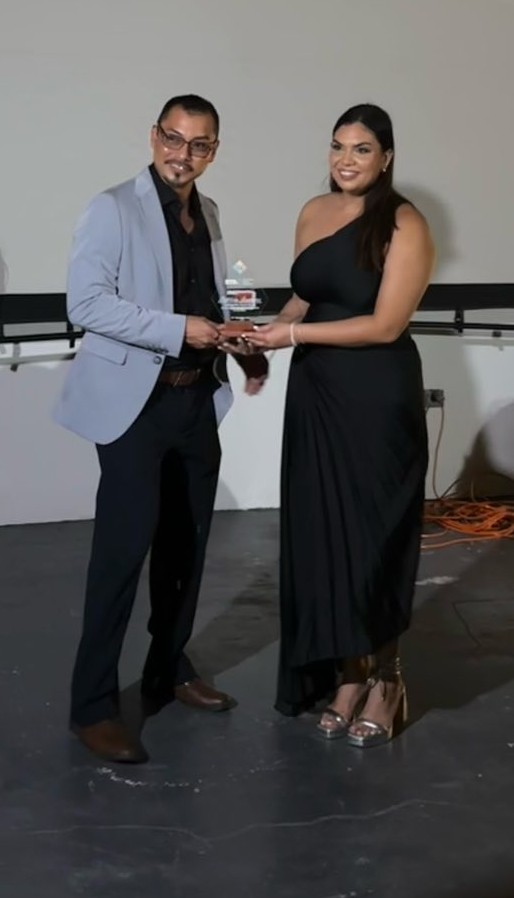
Posted in Uncategorized | Tagged , , , , | Leave a comment

Dive Industry Message to Local Divers

DIVE LOCAL LOGODIVE LOCAL – A Community Effort
Building a Local Diving Community
Message to the Local Divers
By Gene Muchanski, Executive Director,
Dive Industry Association, Inc.

Introduction to Section II

 Our purpose for being in business as a Marketing and Trade Association is to Build a Better Diving Industry, One Member at a Time.  Our Mission is to bring buyers & sellers together for mutual benefit, but to accomplish our mission we first had to lay a foundation for how the business of diving operates in our industry.  The heartbeat of the Global Diving Community lies in the creation and maintenance of Local Diving Communities across the globe.  The four pillars of each Local Diving Community that create and maintain the market we serve were discussed in articles published by The Dive Industry Professional. 

The Four Pillars of The Local Diving Community:

  • Dive Stores
  • Dive Instructors
  • Dive Boats
  • Dive Clubs

Our Message to The Local Diving Community:  Our second series of articles will be about the message we are creating to attract new divers and maintain the current population of certified divers.  It is our intent to do more than just create more certified divers.  Our mission is to show how scuba diving and diving related activities can become a lifetime recreation.  Our message to the general public is:  Learn to Dive – Buy Your Gear – Go Diving – Stay Active.  Here is an introduction to the articles we will be sharing with the industry over the next four months. 

Our Message to The Local Diving Community:

  • Learn to Dive
  • Buy Your Gear
  • Go Diving
  • Stay Active

Learn to Dive:  To safely enjoy the underwater world with scuba diving equipment it is necessary to take scuba diving lessons from a certified Scuba Diving Instructor.  The lessons include classroom instruction, scuba training in confined water (usually a swimming pool), and scuba training dives in the open water environment (a river, lake, quarry, or ocean).  We will discuss the certification agencies that exist in the global diving community and the instructors who affiliate with these agencies.  Our article hopes to present all of the various options that are available to the non-diver in order to become scuba certified.

Besides educating the general public about the process of becoming certified, I believe it is important to explain why a person needs to become certified as a diver before they can purchase their gear and participate in the recreation.  We think it is important to prepare potential scuba students as to what will be required of them to participate and what educational outcomes they will have gained by completing a scuba diving certification course.  The Dive Industry Association is asking the Global Diving Business Network to assist us with information that will help us paint a clear picture of what potential scuba diving students can expect in a scuba course, and how to start the process of becoming certified.

Buy Your Gear:  You can’t go diving if you don’t have gear.  Of course you can buy it, rent it, or borrow it from a friend.  There are advantages and disadvantages to each of these and we will discuss that.  In the 57 years that I have been a certified diver, I have never known the diving industry to come to an agreement about what pieces of scuba diving equipment should be purchased as opposed to rented.  Another issue that has been discussed, debated, and argued about is when a scuba diver should purchase their own gear.  This article will cover as many of the options as it takes to help the newly enrolled or certified diver to make the purchasing decision that is best for them. 

Go Diving:  It is fair to say that most of the people who take scuba diving lessons want to go diving.  Once a person becomes a certified diver, the world of possibilities opens up to them like they could never have imagined.  Our article will give the reader information about dive destinations worldwide.  We will show them where to dive, how to arrange their diving experience, how to get there, and what to do when they are there.  We will cover local diving, Caribbean diving, and exotic dive destinations.  We will explain resort destinations, dive resorts, dive operators, and liveaboard options.  I believe it is important to cover topics about individual dive trips, booking with a Dive Travel Wholesaler or a Dive Travel Specialist, and joining a group dive trip.

Stay Active:  It only takes a single scuba instructor to certify a new diver, but it takes an entire Local Diving Community to keep a scuba diver active.  After all, scuba diving is a social recreation. There are many ways to keep divers diving but it takes continual marketing efforts to help divers realize what their many options are.  I believe that our industry as a whole, has been myopically focused on certifying new divers and then abandoning them once they get their c-card.  Research tells us that divers who get certified and then stop diving have very little good to say about their training or about the recreation.  Rarely will they recommend scuba diving to their friends if they, themselves have dropped out.  The secret is to keep divers diving.

If you look at the four pillars of the local diving communities, you can see that each play a vital role in keeping divers active.  When a diver affiliates with their local dive store, they have continuing education, equipment purchases and rentals, local boat dives, group dive trips, and equipment maintenance services available to them.  Local diving instructors provide continuing education courses.  Dive boat operators are the champions of local diving.  Local diving is still the best way to keep divers active.  Dive clubs conduct meetings, seminars, workshops, group travel, and social activities.  We will cover all of those options in our article about staying active.

There are many other ways to stay active in diving and keep current with what is going on in the community.  We plan to discuss the advantages of going to local consumer dive shows and national trade shows.  We think that shows and events are the best way to charge you trade professional and certified diver batteries.  There are plenty of print magazines we will recommend that divers can subscribe to and of course, there are numerous digital magazines available online.  Many divers stay active by frequenting social media sites like Facebook, YouTube, and Pinterest.  We will explore social media as it applies to keeping divers active. 

A great way to keep divers actively involved in the recreation is to show them how to develop hobbies or interests in subjects that could be performed in conjunction with diving.  We will explore becoming knowledgeable in photography, wreck diving, metal detecting, environmental work, non-profit volunteering, and numerous other activities.  Developing a hobby in a diving related activity is one sure way to remain active.  Diving historians and collectors of diving equipment or magazines acquire a historical perspective of the diving industry that can be shared with divers around the world through seminars, workshops, and published articles.  We will try to include all of those options as we explore ways to keep divers active.

By writing about our message to the local diving community we are doing something more than trying to grow and maintain the global diving community.  We are referring customers to the four pillars of the Local Diving Communities.  And who benefits from that besides the local dive stores, dive boats, dive clubs, and Instructors?  All of the producers of diving equipment, training, travel, and lifestyle products benefit.  We could not do our job of referring the programs, products, and services to divers who are needing them unless we maintained a current database of all the producers and sellers of these products.  Because of our continual research in the diving industry and the business relationships we have developed in the Global Diving Business Network, we are able to refer customers to the products and companies they need. 

We will promote diving and diving related programs, products, and services and the dive businesses that produce and sell them, through our Weekly News press release service and our monthly trade magazine The Dive Industry Professional.  Our major referral source for active dive consumers is our Annual Trade Directory that is updated monthly.  Although our database of over 8,000 dive industry businesses is quite extensive and up-to-date, our ability to refer products and dive businesses is limited by our knowledge and experience with a select number of vendors.  Current members of the Dive Industry Association have a competitive advantage in our referral process because we can provide and promote current contact information and active hot links to their websites, stores, and ordering centers.  A big part of our series on our marketing message to consumers is going to be how they can reach the businesses that provide the programs, products, and services they need, want, and can afford.

We are inviting all 8,000 + dive businesses and Dive Industry Professionals to join our Global Diving Business Network to acquire new divers, retain customers, and serve the market that has been built over the years.  Your annual commitment to this cooperative marketing effort is only $125 per year, through your membership in the Dive Industry Association.  Our growth strategy for the industry has plans for expansion as we approach 1,000 members and again at 2,000 members.  We are looking forward to working with you today.

For more information on becoming a Member in our Global Diving Business Network, contact Gene Muchanski, Executive Director, Dive Industry Association, Inc., 2294 Botanica Circle, West Melbourne, FL.  Phone 321-914-3778. Email: gene@diveindustry.net  web: www.diveindustry.net

# # #

Posted in Uncategorized | Tagged , , , | Leave a comment